
"Vietnam coffee production"
2000 article(s) found
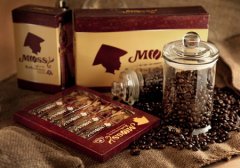
Production and processing of Vietnamese Fine Coffee Taste characteristics of Vietnamese Fine Coffee
The geographical location of Vietnam is very favorable for coffee growing. the south of Vietnam has a hot and humid tropical climate, which is suitable for growing ROBUSTA coffee and the north is suitable for growing ARABICA coffee. Each coffee bean used in the current production of Saigon Coffee is selected from the best coffee areas in the Vietnamese plateau and is roasted with special cream with outstanding milky aroma, mellow coffee flavor and coffee aroma.

A brief introduction to the History and Culture of the Origin and Development of Vietnamese Fine Coffee beans
At present, the development plan of coffee industry in Vietnam is adjusting its strategic direction according to the following main contents: 1. Change the planting structure and determine the strategic goal of industry development. Reduce the planting area of ROBUSTA coffee and turn the land with low efficiency in coffee cultivation into other perennial cash crops such as rubber, pepper, fruit trees and annual crops such as cotton and hybrid corn. In conditional land

Description of Grinding scale Flavor of Coffee beans in Vietnam
Coffee cultivation in Vietnam covers an area of about 500000 hectares, of which 10% are owned by state-owned enterprises and farms, and 85% by farmers and landowners. The scale of the manor is small, usually 2-5 hectares, and the large manor is about 30-50 hectares, but the number is small. Vietnamese coffee ranks second in all agricultural products exported from Vietnam, second only to rice. Every year, about 300000 farmers are engaged in coffee cultivation, with a labor force of 600000.

Vietnam's coffee exports continue to increase
According to Japanese media reports, Vietnam ranks first in the world in the production of Robasta coffee beans used to make instant coffee, and exports are increasing. On the other hand, there are also problems such as difficulties in delivering goods to farmers and problems in purchasing coffee beans from foreign countries and processing orders for export companies. Local economic newspapers such as Vietnam Investment Review reported the incident. According to statistics from Vietnam's Ministry of Agriculture and Local Development, Lobar

Vietnam Coffee Bean History G7 Price Brand Flavor description introduction to the planting environment of the producing area
Vietnam Coffee Bean History G7 Price Brand Flavor description Taste producing area introduction Nhan graduated in 1967 and then returned to Vietnam to start working at Nghe's PhuQuy Rainforest Agricultural Research Station (PhuQuayTropicalCropResearchStation). The Tropical Rainforest Agricultural Research Station is a research organization under the Department of Agriculture, and they then worked with the Vietnamese government to figure out how to

Introduction to the characteristics of birdy brand taste and flavor description method in Vietnam coffee bean producing area
There have been traces of human activities in Vietnam in ancient times. Ape-man teeth were found in Pingjia, Lang Shan Province, and Paleolithic tools were found in Dushan, Qinghua Province. To the Middle Stone Age and Neolithic Age, several cultural sites appeared in the northern region, such as the culture of peace (in the province of Peace) and Beishan culture (in Beishan, Lang Shan Province). At that time, the ancestors used stone tools, bamboo and wood.

Vietnam fine coffee beans Vietnam cat shit coffee?
According to the statistics of Vietnam Coffee Association, in 2000-2001 (from October 2000 to September 2001), Vietnam exported 874676 tons of coffee from 149 enterprises, among which the three largest exporters were OLAM Company (foreign-owned enterprise, 21326 tons), DAKMAN Company (joint venture, 18076 tons) and Vinafimex Company (local enterprise, 13719 tons). Vietnamese coffee
Global coffee producing area Vietnam coffee producing area
Perhaps under the influence of French colonial rule, coffee grown in Vietnam has a French flavor. Arabica coffee was first brought to Vietnam by French missionaries. Coffee production in Vietnam: 96% of Robbins coffee comes from small farms, but some state-owned farms also grow coffee trees. Near Tokyo (Tonkin) Bay, there are mostly Java or bourbon varieties. The main variety produced is Robbins special coffee.
Coffee from Vietnam
Perhaps under the influence of French colonial rule, coffee grown in Vietnam has a French flavor. Arabica coffee was first brought to Vietnam by French missionaries. Coffee production in Vietnam: 96% of Robbins coffee comes from small farms, but some state-owned farms also grow coffee trees. Near Tokyo (Tonkin) Bay, there are mostly Java or bourbon varieties. The main variety produced is Robbins special coffee.

Vietnam Fine Coffee knowledge of Instant Coffee Expo
When it comes to instant coffee, we have to start with Vietnamese coffee. Robusta coffee beans, which are often used to make blends of instant coffee and high-end coffee, are almost all exported to Vietnam. At present, Vietnam has become the second largest coffee producer in the world. Vietnamese coffee is exported to more than 50 countries in the world, and the United States has become the largest customer! The most famous ones in Vietnam are Wiener and the Central Plains. What about the following?

Historical Brand Price and Flavor description of Coffee grown in Vietnam
Historical Brand Price and Flavor description of Coffee grown in Vietnam Nhan has been working hard on the dream of reuniting North and South Vietnam since he was a student. In 1964, the year before the Battle of Xisheng, Nhan received a scholarship for a master's degree in soil science in southern China. Nhan graduated in 1967 and then returned to Vietnam to start PhuQuy in Nghe.

The geographical location is very favorable for coffee cultivation. The varieties of manors in Vietnamese coffee producing areas introduce fine coffee.
Vietnam's geographical location is very favorable for coffee cultivation. Southern Vietnam has a hot and humid tropical climate, which is suitable for growing ROBUSTA coffee, while the north is suitable for growing ARABICA coffee. Coffee production in Vietnam has the following characteristics: (1) because there is no effective way to deal with fallen leaves, medium-grain coffee was selected as the main variety in the early 1980s. (2) take planting technology as

Vietnamese Coffee Flavor Taste Manor introduces Vietnamese Coffee Brands
Vietnam's geographical location is very favorable for coffee cultivation. Southern Vietnam has a hot and humid tropical climate, which is suitable for growing ROBUSTA coffee, while the north is suitable for growing ARABICA coffee. Coffee production in Vietnam has the following characteristics: (1) because there is no effective way to deal with fallen leaves, medium-grain coffee was selected as the main variety in the early 1980s. (2) take planting technology as

Vietnamese coffee Southeast Asian coffee beans
Perhaps under the influence of French colonial rule, coffee grown in Vietnam has a French flavor. Arabica coffee was first brought to Vietnam by French missionaries. More than 400,000 coffee trees were introduced to Vietnam in 1865-1876 and planted near Tonkin Bay, mostly Java or bourbon varieties. At present, Vietnam
Vietnamese coffee is served with condensed milk. The geographical location of Vietnam is very favorable for coffee cultivation.
Vietnamese coffee has a strong aroma, light sour taste, smooth and moist taste, slightly bitter and full-bodied aroma, refreshing and refreshing. The representative products are moossy coffee, G7 coffee coffee, Saigon coffee and Highland coffee. The geographical location of Vietnam is very favorable for coffee cultivation. Southern Vietnam has a hot and humid tropical climate, which is suitable for growing ROB.

Southeast Asian coffee Vietnamese coffee
Today's production power, tomorrow's production giant. Perhaps under the influence of French colonial rule, coffee grown in Vietnam has a French flavor. Arabica coffee was first brought to Vietnam by French missionaries. More than 400,000 coffee trees were introduced to Vietnam from 1865 to 1876 and were planted near Tonkin Bay, mostly Java or bourbon varieties. At present, coffee production in Vietnam is continuous.
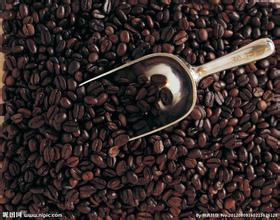
Introduction of boutique Vietnamese coffee the taste of Vietnamese coffee beans
Today's production power, tomorrow's production giant. Perhaps under the influence of French colonial rule, coffee grown in Vietnam has a French flavor. Arabica coffee was first brought to Vietnam by French missionaries. More than 400,000 coffee trees were introduced to Vietnam from 1865 to 1876 and were planted near Tonkin Bay, mostly Java or bourbon varieties. At present, coffee production in Vietnam is continuous.

2019 the price of Vietnamese coffee beans plummeted. Rice and coffee export materials, Vietnam's ace products, both declined.
Professional coffee knowledge exchange more coffee bean information please follow the coffee workshop (Wechat official account cafe_style) following weak economic data from China, Japan and South Korea, there are shocking signs of weakness in Asia. Vietnam reported that exports fell 1.3 per cent year-on-year in January, far below market expectations of 5.5 per cent, while imports rose only 3.1 per cent, also far below expectations of 6.6 per cent. Global consumption
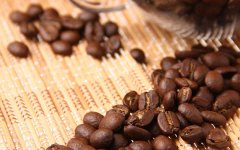
Introduction to the Origin of Fine Coffee-- the planting History of Vietnamese Coffee
Today's production power, tomorrow's production giant. Perhaps under the influence of French colonial rule, coffee grown in Vietnam has a French flavor. Arabica coffee was first brought to Vietnam by French missionaries. More than 400,000 coffee trees were introduced to Vietnam from 1865 to 1876 and planted near Tonkin Bay, mostly Java or bourbon varieties. At present, Vietnam's coffee production is increasing.
Fine Vietnamese coffee beans price Vietnamese coffee beans how much is a jin of Vietnamese coffee brands
Vietnamese coffee is produced in Vietnam, just as tea is important to Chinese people, it is a kind of penetration into the bone marrow. Robusta coffee beans, which are often used in the world to make instant coffee and high-end coffee blends, are almost all exported from Vietnam. Vietnam is the world's second largest exporter of coffee, surpassing Colombia and second only to Brazil. The aroma is strong, the sour taste is light, and the taste is smooth.